


She left rural Australia for this….
On this episode of Worthy for Thirty, I sat down with Amy Bett, co-founder and CEO of Melo, a non-alcoholic sparkling kava brand helping people unwind without the hangover, sugar crash, or regret.
What struck me most wasn’t just the product.
It was the posture.
Amy moved to Los Angeles without her family for a year to get Melo off the ground. She also recently slept in her Tesla for 15 days to personally demo product across three states when Melo launched into Sprouts Farmers Market, knowing she landed on the bottom shelf, and went store by store to make sure the product actually made it onto the floor.
These are just a couple of incredible examples of her determination and focus.
This isn’t a story about glamour.
It’s about grit.
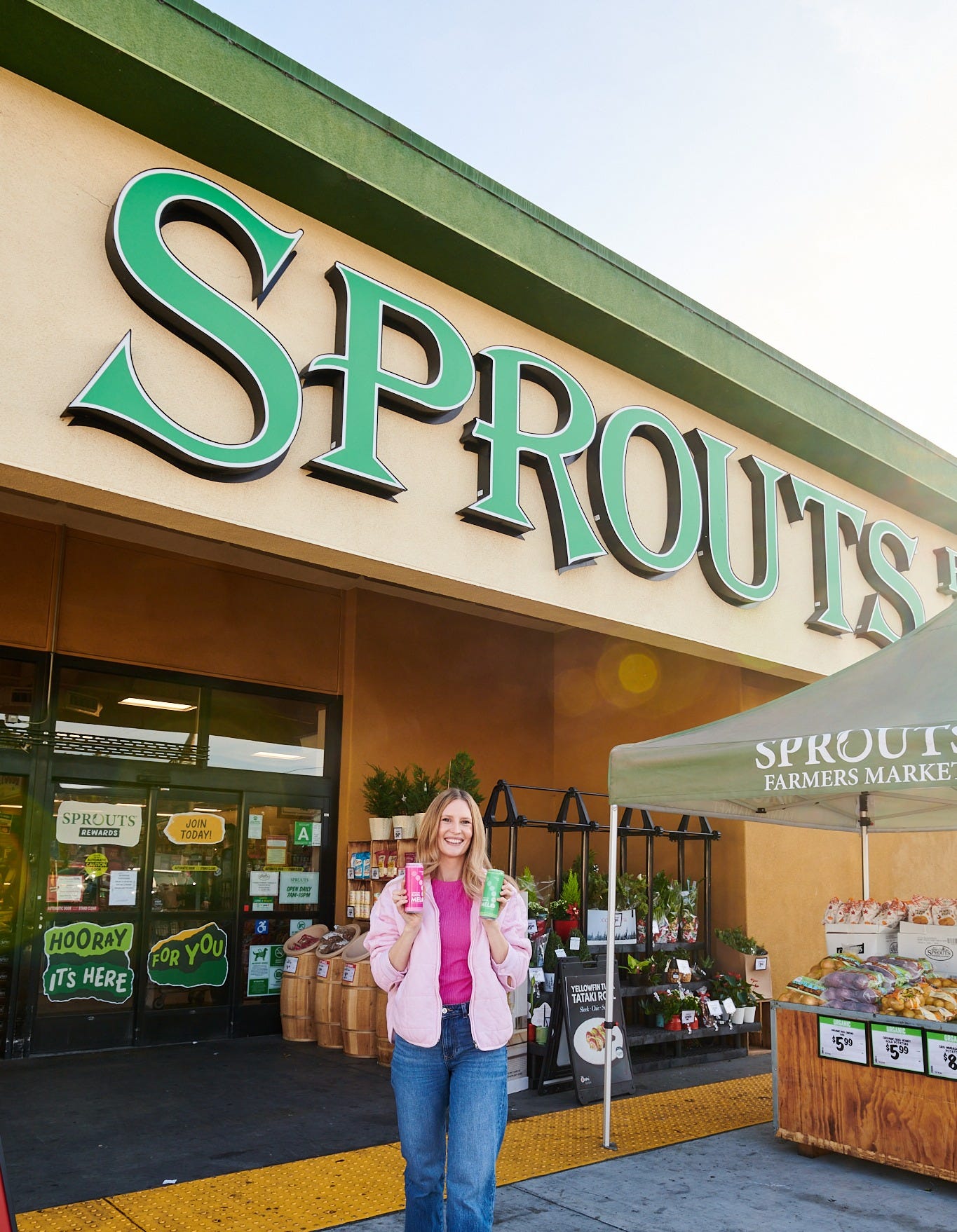
The Insight: Replace, Don’t Remove
Amy didn’t set out to build a beverage empire.
She was a mom of three in her 30s who realized alcohol was slowing her down. She didn’t want to quit drinking entirely; she just wanted something that could “take the edge off” without ruining the next day.
That insight is powerful and very present.
We’re living in the era of:
The rise of non-alcoholic spirits
Functional beverages going mainstream
Younger consumers redefining “social drinking”
Retailers carving out space for better-for-you alternatives; functional beverages
Think about the explosion of brands like Athletic Brewing Company or the creator-led retail dominance of Feastables. They didn’t shame old categories. They created alternatives that felt culturally relevant.
Amy’s takeaway?
If you’re asking someone to give something up, you better offer something better.
That’s not just true for beverages.
It’s true for any startup disrupting an incumbent.
Actionable Lessons for Founders
1. Stop Over-Strategizing. Start Shipping.
Amy admitted they got stuck in strategy early; tagline debates, positioning tweaks, endless refinements.
Her biggest hindsight lesson?
It’s all a hypothesis until the customer speaks.
Action step:
Launch sooner than you’re comfortable.
Talk to 100 real people.
Adapt fast.
Repeat.
You can’t A/B test your way to conviction in a vacuum. If you’re not embarrassed by your first version, then you launched too late.
2. Go Big Earlier (If You Believe in the Product)
Most emerging CPG brands grind through independents first.
Amy would do it differently.
She’d go straight for major retail because scale unlocks:
Purchase order financing
Credibility
Better data
Faster feedback loops
The risk? You'd better be confident in your product.
This mirrors what we’ve seen from brands that bet early on national chains instead of slow regional rollouts. Big swings create big data.
If your product converts when sampled, consider pitching higher up the food chain (no pun intended) sooner than you think you’re “ready.”
3. Demo Like Your Life Depends On It
Amy’s Tesla road trip wasn’t scrappy theater.
It was data acquisition.
She:
She sometimes introduced herself as the founder.
Watched real reactions.
Listened to objections.
Observed what flavors moved fastest.
Verified repeat purchase behavior.
Via DTC, she’d even call abandoned cart customers directly.
That’s founder-level obsession.
In a world obsessed with paid ads and CAC dashboards, she went analog — do the unscalable things well.
Ask yourself:
When was the last time I personally watched someone use my product?
Do I know why someone didn’t buy?
Have I asked what stopped them?
Your most valuable growth lever may not be another paid ads campaign; it may be one uncomfortable conversation with a consumer.
4. Product > Marketing (But Shelf Placement Matters)
Amy said it plainly:
Marketing can spark trial. Only product earns repeat.
This echoes what we’ve seen across contemporary brands: the ones that stick don’t just win on branding. They win by making a great product.
But here’s the nuance she highlighted:
Placement plays a huge part in brick-and-mortar retail.
Launching on the bottom shelf isn’t a death sentence but it demands hustle.
Think about the MrBeast story of walking into Walmart stores to make sure Feastables were actually on shelves.
Distribution isn’t the finish line.
It’s the starting gun.
Action for founders:
Visit your stores.
Meet managers.
Check inventory.
Don’t assume execution.
Retail is a living organism. Stay close to it.
5. Obsession Is Required. Loneliness Is Real.
When I asked Amy what she wishes people would ask her, she didn’t say:
“How did you scale?”
“What’s your revenue?”
“What’s your next retailer?”
She said:
“I wish people would really ask how I’m doing.”
Founding is disorienting.
You can be winning in business and feel like you’re failing at home. You can land retail and still lie awake at night questioning everything.
“Usually if you're doing really well in business and you're pushing really hard in that area, it feels like you're failing in other areas.” - Amy Bett
We talk a lot about resilience.
We don’t talk enough about emotional cost.
If you’re a founder:
Build your circle intentionally.
Find people who understand the weight.
Don’t confuse momentum with mental stability.
And if you’re supporting a founder?
Ask the second-level question.
Not “How’s business?”
But “How are you, really?”
The Bigger Conversation
We’re watching consumer behavior shift in real time.
Alcohol consumption trends are changing. Functional beverages are rising. Retailers are more open to innovation. Distribution models are evolving.
But none of it matters without:
Courage to launch
Speed to adapt
Willingness to be embarrassed
Relentless customer proximity
Amy didn’t just build a drink.
She built proximity.
And proximity compounds.
If you’re a current or aspiring entrepreneur, here’s your challenge:
Identify the tension in your own life.
Build the replacement, not just the disruption.
When your product is in the market, talk to 25 customers per month (at least).
Ask what’s stopping them from buying.
Move faster than feels comfortable.
The mountain gets built one can and one conversation at a time.
And sometimes… one night in a Tesla at a time.


