

What does it really mean to lead, especially when you’re handed something iconic?
In this episode of Worthy for Thirty, I sat down with Elizabeth Sobol, CEO of the Saratoga Performing Arts Center (SPAC), for a conversation that feels less like an interview and more like catching up with a wise friend who’s lived a few lifetimes and learned and gained from each one.
Elizabeth’s story doesn’t begin in the C-suite. It started when she was a 13-year-old leaving home to follow her classical piano dream, chasing excellence with everything she had, until she made a realization that changed everything. Hearing peers who surpassed her technically, she made a decision that many high-achievers struggle to make:
She let go.
But instead of walking away from music, she moved closer to its impact, shifting from performer to champion of artists. That pivot led her to a decades-long career at IMG Artists and later Universal Music Group, where she helped shape the careers of world-class talent.
And yet, her most meaningful chapter may have started when she thought she was done.
From Achievement to Alignment
Four days into “retirement,” living in Florida, Elizabeth got a call about leading SPAC. Her initial reaction? Hard no.
But something nudged her to visit.
And that’s where the story changes.
She describes arriving in Saratoga Springs and feeling something click: a natural sense of belonging. Not ambition. Not a strategy. Something deeper.
That moment echoes a similar theme we’ve seen in leaders like Howard Schultz returning to Starbucks or Satya Nadella reshaping Microsoft, the shift from scaling success to stewarding purpose.
“Let your ambition ride, but find the thing that anchors you, so you’re not just chasing what’s in front of you, but listening to what’s in your heart.” - Elizabeth Sobol
For Elizabeth, SPAC wasn’t just a role. It was a return to nature, to community, to service.
Leadership as Service (Not Just Results)
One of the most striking throughlines in this conversation is how Elizabeth defines leadership:
Service first. Results second.
That wasn’t always the case. Early in her career, the language of business was about performance, metrics, and outcomes. Words like “gratitude” and “compassion” weren’t part of the vocabulary.
“Service is the word. It’s the lens through which I now understand everything I’ve done—and everything I try to do.” - Elizabeth Sobol
Today, they’re foundational.
And it shows up in the smallest details.
She shares a moment when a guest approached her on the SPAC grounds and said every single employee she encountered from the box office to ushers exuded kindness.
That’s not training. That’s culture.
It’s reminiscent of what Danny Meyer built at Union Square Hospitality Group: the idea that if you take care of your people, they take care of everyone else.
At SPAC, kindness isn’t a tactic. It’s the product.
Reinvention Is a Skill
Elizabeth calls herself “restless” in the best way.
Over 35 years at IMG, she continuously reinvented her role, expanding beyond classical music into broader cultural programming. She didn’t wait for permission; she followed curiosity.
That instinct, to evolve from within, is something we’re seeing across sectors today.
Think about Reed Hastings shifting Netflix from DVDs to streaming to content creation. Or nonprofit leaders rethinking delivery models post-pandemic.
The takeaway?
Longevity isn’t about staying put, it’s about staying in motion.
Access Is the Mission
If leadership is service, then access is the strategy.
Under Elizabeth’s leadership, SPAC has expanded from serving 5,000 students to over 60,000 annually. That includes:
Free tickets for veterans and underserved communities
Partnerships with over 100 local organizations
Programs for individuals with disabilities
Taking the arts into communities, not just asking communities to come to them
In partnership with Skidmore College, SPAC creates immersive, intergenerational arts experiences like pairing students with older adults in community-based dance programs to combat isolation, foster connection, and measure the deeper social impact of the arts
This isn’t just programming, it’s equity in action.
And it aligns with a broader movement across institutions, from The Metropolitan Museum of Art expanding free access initiatives to leaders like Darren Walker pushing for cultural institutions to become more inclusive and community-centered.
Elizabeth puts it simply: “Those stages belong to everyone.”
The Business Case for Human Connection
In a world increasingly driven by automation and AI, SPAC is doubling down on something analog:
Human connection.
(Side bar: my personal thesis is we’ll see the automation pendulum swing back to more human connection — watch the micro!)
Elizabeth points to emerging research showing that engagement with the arts activates empathy and compassion. In other words, experiences like concerts, dance, and storytelling don’t just entertain—they heal.
That idea is gaining traction across industries. Companies are investing in experiences, not just products. Communities are prioritizing spaces that bring people together.
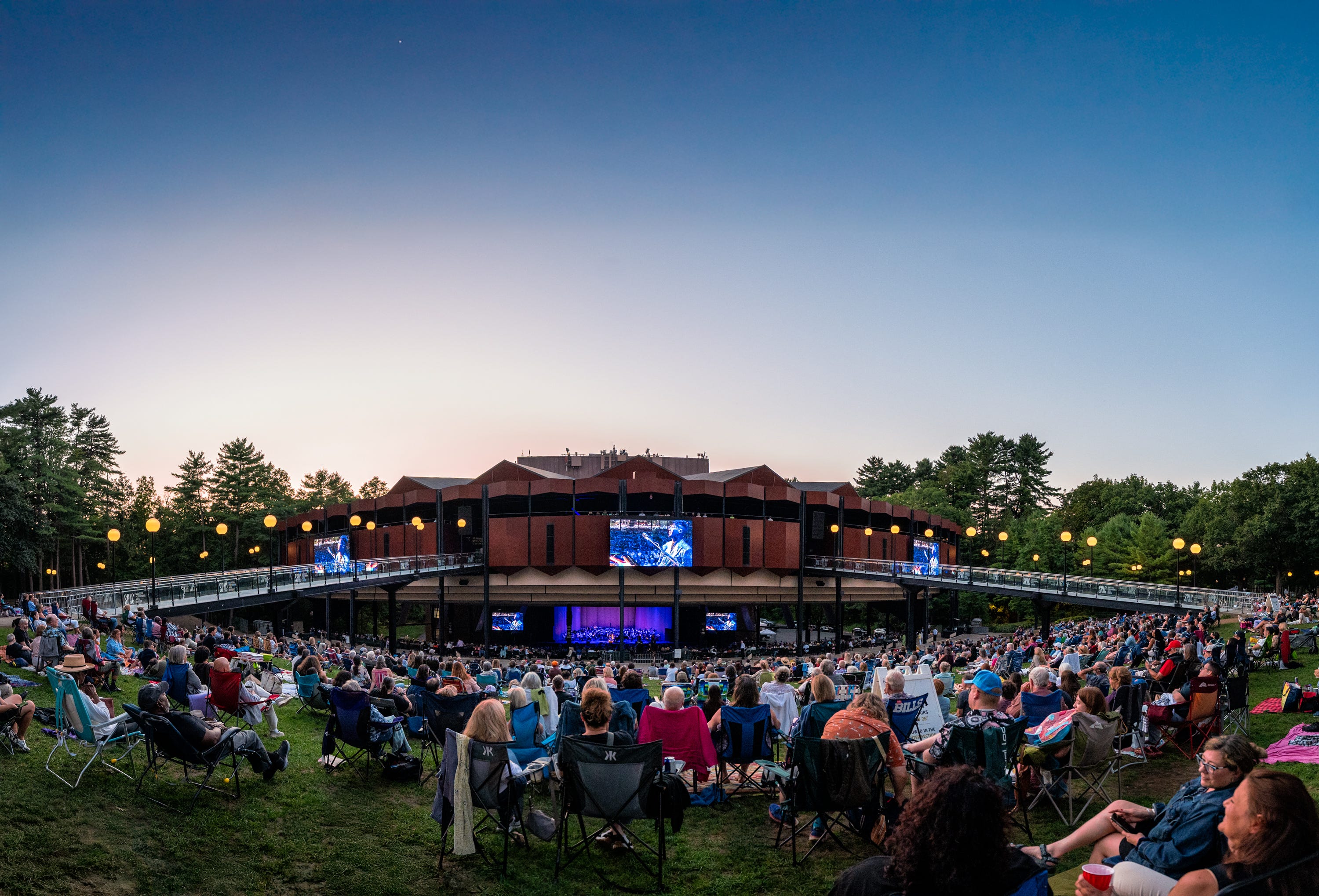
SPAC sits at a unique intersection of nature, art, and community, all designed to create moments of awe.
And in Elizabeth’s words, what could be more important than that?
“You have to be willing to jump into the deep end before the water drains out.” - Elizabeth Sobol
Building for the Next Chapter
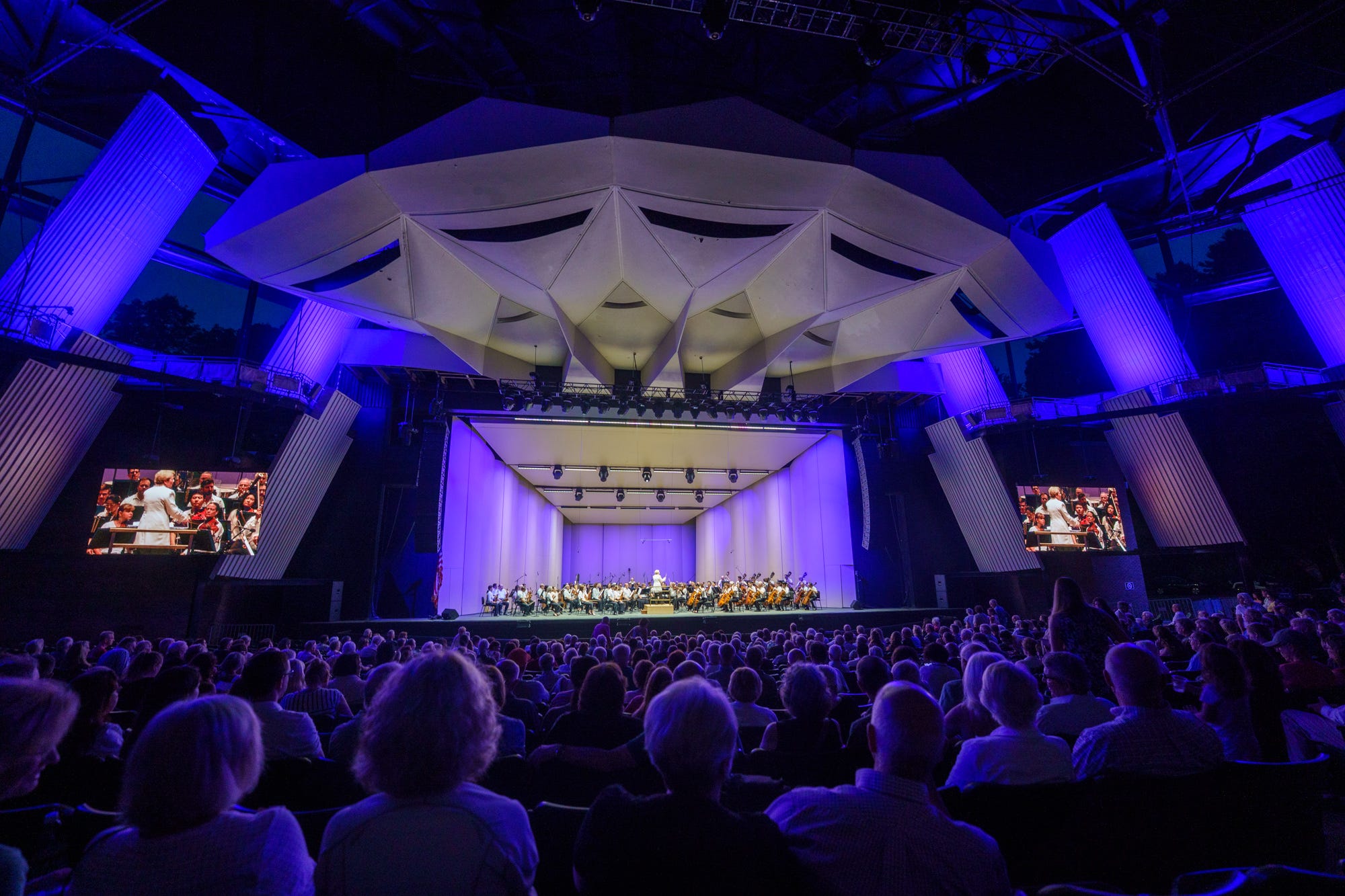
Looking ahead, Elizabeth is focused on transforming SPAC into a fully year-round institution, anchored by a newly renovated 500-seat theater and expanded programming across culinary, literary, and healing arts.
It’s a reminder that even legacy institutions can and must evolve. Just like us as individuals.
Because stewardship isn’t about preserving the past.
It’s about making it relevant for the future.
Final Thought
There’s a moment in the conversation where Elizabeth reflects on luck vs. hard work. Her answer?
It’s both, but luck favors those willing to jump before they have all the answers.
For mission-driven leaders, that might be the takeaway:
Follow the pull. Do the work. Stay open to reinvention. And build something that serves more than just yourself.
Listen to the full conversation on your favorite podcast platform.


