


What do sun damage, surf sessions, and a stubborn founder’s instinct have to do with building a beloved skincare brand? A lot, actually.
In this episode, I had a chance to speak with Sam Stewart, co-founder of Mad Hippie (Dana, his wife, is his co-founder), to unpack how a personal problem while living in Nicaragua turned into a purpose-driven beauty brand with staying power.
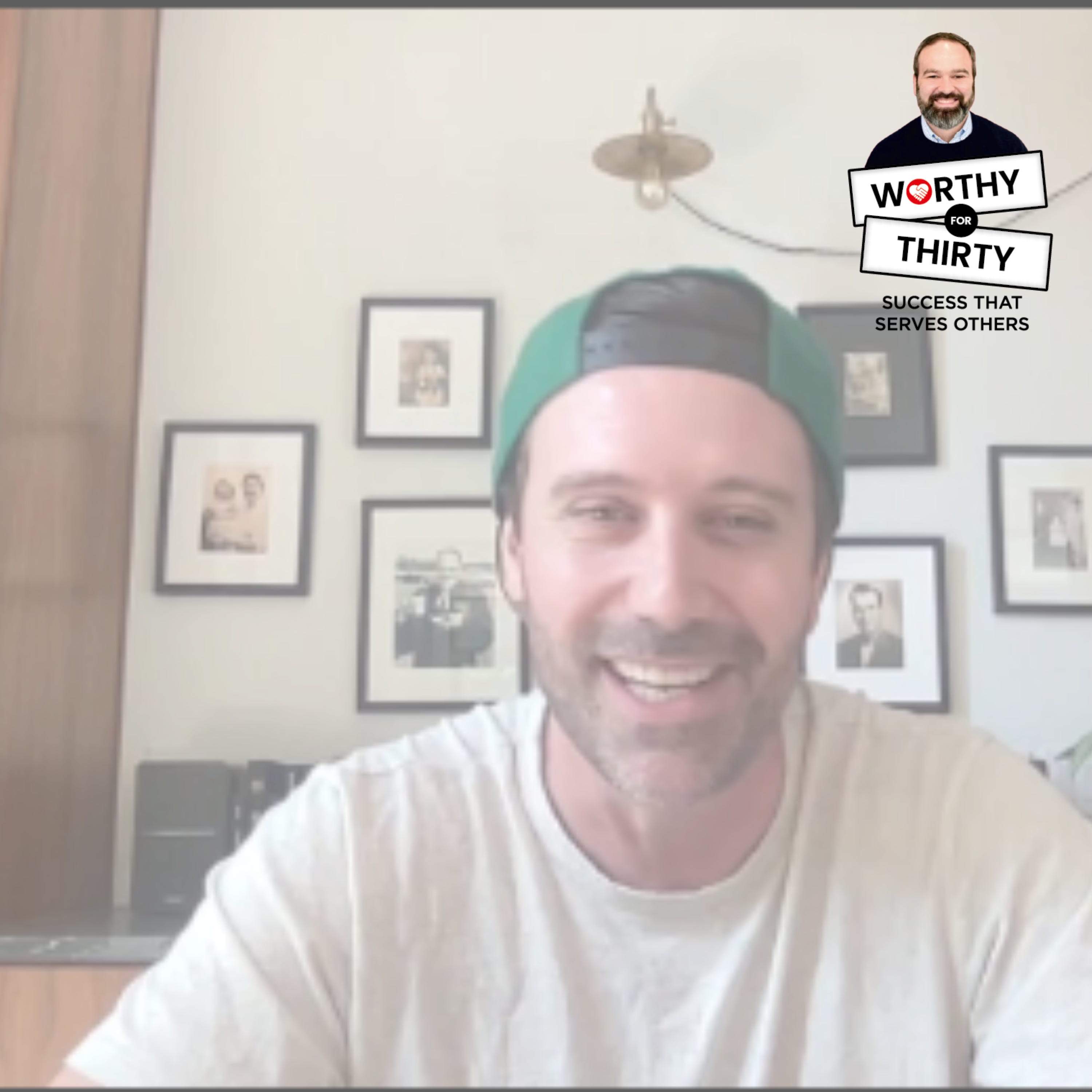
Sam’s story is a great reminder that meaningful businesses are rarely built in a straight line. My mind immediately went to the childhood parable ‘tortoise vs. the hare.’
Mad Hippie began with late nights, a chemist friend, dozens of product iterations, a scrappy SEO strategy, and a willingness to listen when the market said, “not yet.”
From Surfboards to Skincare
Sam and his wife were living in Nicaragua, surfing often, and noticing the toll all that sun was taking on their skin. Instead of shrugging it off, they got curious. They started exploring ingredients that could help protect skin from oxidative stress, testing ideas, and eventually building the first versions of what would become Mad Hippie.
What’s interesting is how real the origin story feels. This wasn’t a big-VC-backed launch or a polished brand concept dreamed up in a boardroom. It was a real problem, a real lifestyle, and a real attempt to build something they could believe in.
‘Purpose-driven businesses don't start with a pitch deck. They start with a problem you've lived with long enough that solving it becomes personal.’ - Serial Entreprenuer, Michael Lazerow
The Long Game
One of the clearest themes in the conversation is that building a durable company takes patience, humility, and repetition. Sam discussed the 50+ iterations of early products, learning that surfers weren’t the best core audience, and then pivoting toward a larger natural skincare market.
That willingness to adapt mattered. So did the discipline to keep going when a Whole Foods buyer told him no one in Boston would buy a product called ‘Mad Hippie.’ Instead of taking that as a final no, Sam treated it as feedback, kept refining, and eventually entered the Whole Foods region by region before scaling nationally. Persistence is key, especially when you’re driving value.
Building With Intent
A big part of Mad Hippie’s appeal is that the brand’s values weren’t added later as marketing polish or a facade. They were built into the brand’s DNA from the beginning (sounds similar to Mission Craft Cocktails, for instance). Sam explains how the company has donated a dollar from every web sale to conservation, used recyclable and sustainably sourced packaging, and built recycling programs that make it easier for customers to do the right thing.
That intentionality also shows up inside the business. Mad Hippie invests in employee benefits, values respectful communication, and hires with cultural fit in mind. Sam is clear that building a good company means treating people well: customers, team members, and the planet included.
“We try to pay well, you know, every employee gets a 401k with a 4% match. We have a gold level insurance plan that every employee is working 30 plus hours, which is really everyone can join. We pay 85% of that ourselves.” - Sam Stewart, Co-Founder, Mad Hippie
Lessons For Founders
Start with a real problem, not a trend. Mad Hippie came from Sam and his wife noticing sun damage in their own lives, then building around that need. Get curious!
Expect your first idea to be wrong. The brand began by targeting surfers, then pivoted when that audience didn’t respond the way they hoped.
Iterate until the market gives you a signal. Sam described making about 50 versions before landing on products and packaging that resonated.
Let scrappiness be an advantage. Early SEO helped Mad Hippie attract tens of thousands of site visitors a month without a huge budget.
Don’t confuse a ‘no’ with a final answer; treat it as a ‘not yet.’ A Whole Foods buyer initially dismissed the name, but Sam and the brand kept improving and eventually scaled through the chain.
Build a company you can be proud of. From packaging to donations to hiring, Sam kept returning to the question: Does this feel good, useful, and aligned?
Hire people who are not the same as you. Sam emphasized the value of putting together a team with diverse strengths, not just people who think like the founder.
Keep learning longer than feels necessary. Sam credited books, podcasts, and relationships with other entrepreneurs for helping him grow over time.
Why It Resonates Now
This conversation lands because it speaks to a moment so many founders are in right now: overloaded channels, shifting consumer behavior, AI search, TikTok Shop, influencer fatigue, and the pressure to grow fast. Sam’s and what I imagine the company’s perspective are refreshingly grounded. He and his team are not chasing shiny-object tactics; they’re focused on authority, consistency, long-term partnerships, and staying useful to the customer.
That makes this episode especially valuable for entrepreneurs who are trying to build something meaningful without burning out or losing the plot. It’s a reminder that the best brands usually aren’t the loudest ones; they’re the ones that remain consistent and stay true to their values even as they scale!
‘Til next time.


