


Before this conversation, Elisa Camahort Page had already helped shape an important chapter in digital media by co-founding BlogHer, one of the earliest and most influential platforms built to center women’s voices online.
In this Worthy for Thirty podcast episode, that foundation becomes the basis for a larger conversation about what it really takes to build something meaningful: not just a company, but a community; not just momentum, but trust; not just growth, but staying aligned with your values as the stakes rise. Elisa speaks with the clarity of someone who has lived through the messy middle of entrepreneurship and come out with a sharper sense of what matters most.
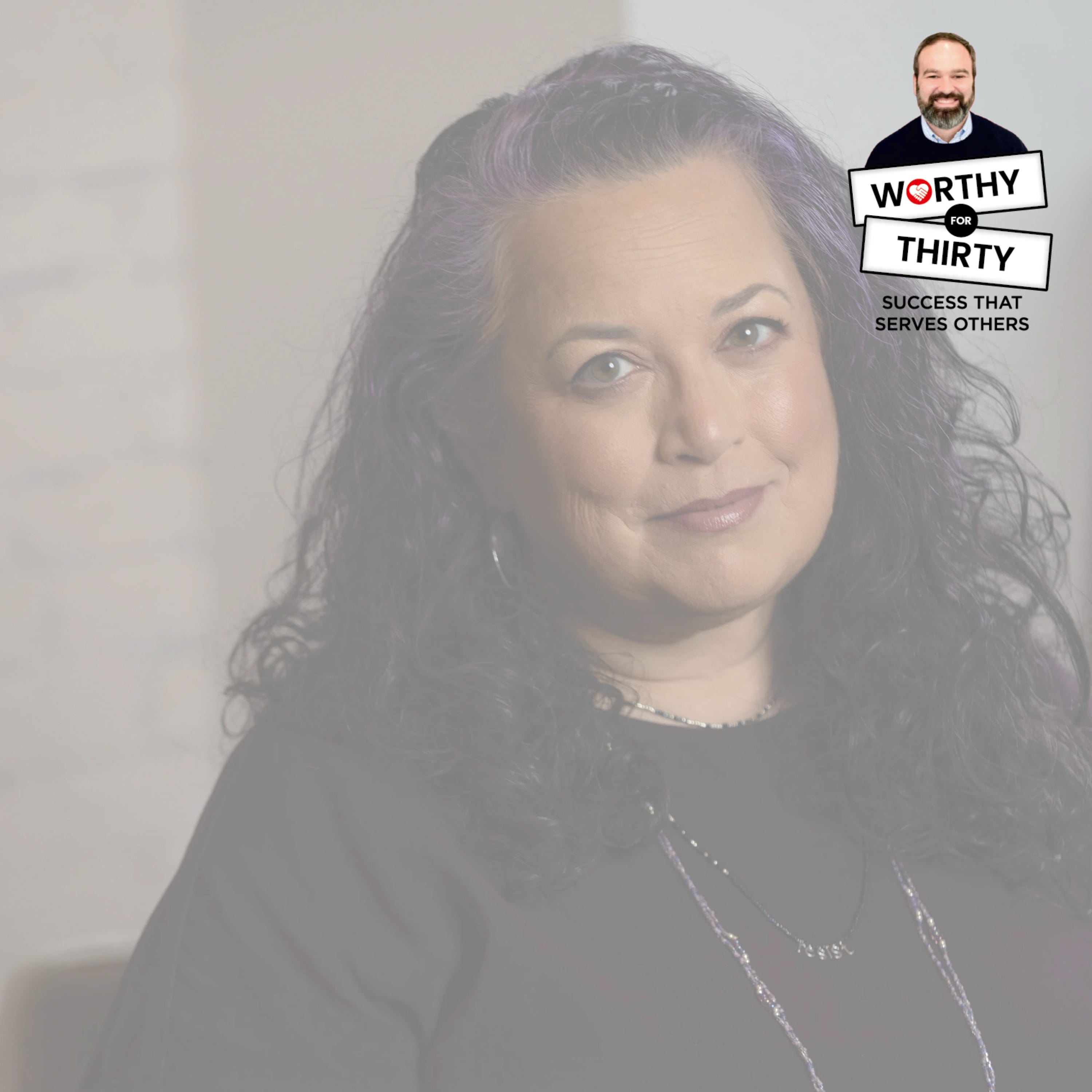
“Our mission was to create opportunities for community, education, exposure, and economic empowerment for women who blogged.” - Elisa Camahort Page
What makes this conversation especially valuable is that it doesn’t stay in the abstract. Elisa is clear about the choices founders face when mission and monetization collide, and she offers a first-hand point of view molded by years of building, scaling, and evolving in public. For aspiring entrepreneurs, that means a rare chance to hear how ideas become reality when they are combined with discipline, patience, and a desire to start before everything is perfect. For the seasoned entrepreneur, it’s a reminder that experience does not completely remove uncertainty; rather, it simply teaches you how to make better decisions inside it.
A major throughline of Elisa’s experience is the importance of optional thinking: not getting trapped by one path, one identity, or one definition of success. Elisa’s reflections on community-building, capital, authenticity, and AI point toward a more flexible model of leadership, one that values adaptation without losing purpose. She makes a compelling case that entrepreneurship is not only about scale but also about judgment: who you work with, what you protect, and how you decide what “enough” looks like.
Key takeaways
Build for the people you serve, not for abstract scale or something ephemeral
Implication: The strongest businesses grow from a clear understanding of what your audience actually needs, not just wants.
How to implement: Spend time listening before growing or expanding; talk to customers regularly, identify recurring pain points, and let their real-world problems shape your roadmap.Treat mission as an operating system, not a slogan.
Implication: Values should be a guide for daily decisions, not just marketing language or a tactic
How to implement: Use your mission to evaluate partnerships, hires, pricing, and product choices, and ask whether each move strengthens or dilutes your core purpose.Don’t confuse funding with success.
Implication: Capital is a tool, not a trophy.
How to implement: Define milestone-based funding needs, explore alternatives to venture money, and raise only when the capital clearly advances a specific next step.Protect authenticity by setting boundaries.
Implication: Being real does not mean sharing everything.
How to implement: Decide in advance what you will and won’t disclose, create clear personal and brand boundaries, and stay consistent in how you show up across channels.Stay flexible about what success looks like.
Implication: Entrepreneurship is a moving target, and your strategy should evolve with it.
How to implement: Revisit your goals quarterly, assess whether your current model still fits your life and business, and be willing to change course when the facts change.Use AI as leverage, not replacement.
Implication: New tools can expand your capacity without replacing your judgment.
How to implement: Use AI to brainstorm, prototype, research, and draft faster, then apply human judgment to decide what is useful, ethical, and worth pursuing.
For newer founders, the takeaway is to build with intention and stay close to the people you serve. For experienced founders, the reminder is to keep questioning whether your current model still matches your values, your market, and your life. Elisa’s story ultimately suggests that the most durable businesses are built by people who know how to hold both ambition and integrity at the same time.


